
Our Golden Wax brand provides value-adding natural plant-based wax solutions to candle manufacturers, wax blenders, and candle supply companies around the world.
Through Golden Wax, AAK offers a strong portfolio of plant-based candle waxes made from sustainably sourced soy, palm, rapeseed and coconut, with quality protection by strong process controls. With our wax knowledge and expertise, including a precision hydrogenation process and complex blending capabilities, we can create specialized multi-oil formulations to meet any operational, functional, or market requirements.Benefits of Golden Wax
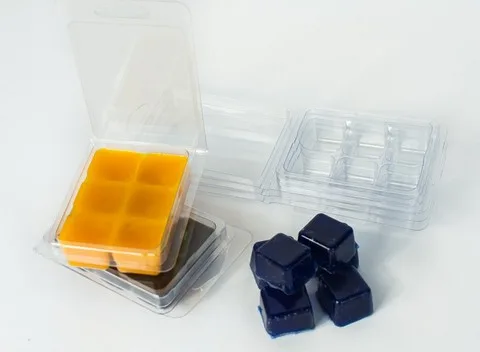
Golden Wax offers premium solutions that do not need to be blended with paraffin or other non-plant-based waxes. In addition, Golden Wax provides significant bloom/frost reduction. These premium botanical waxes are ideal for use in container candles and wax melts. Golden Wax also has a selection of plant-based waxes for candles that blend well with paraffin, slack wax, beeswax, and microcrystalline wax. To help improve the stability of wax blends, melt point adjusters and Wax Plus™ candle additives are available as well. Other benefits include:- Reduced set-up time
- Great mold release
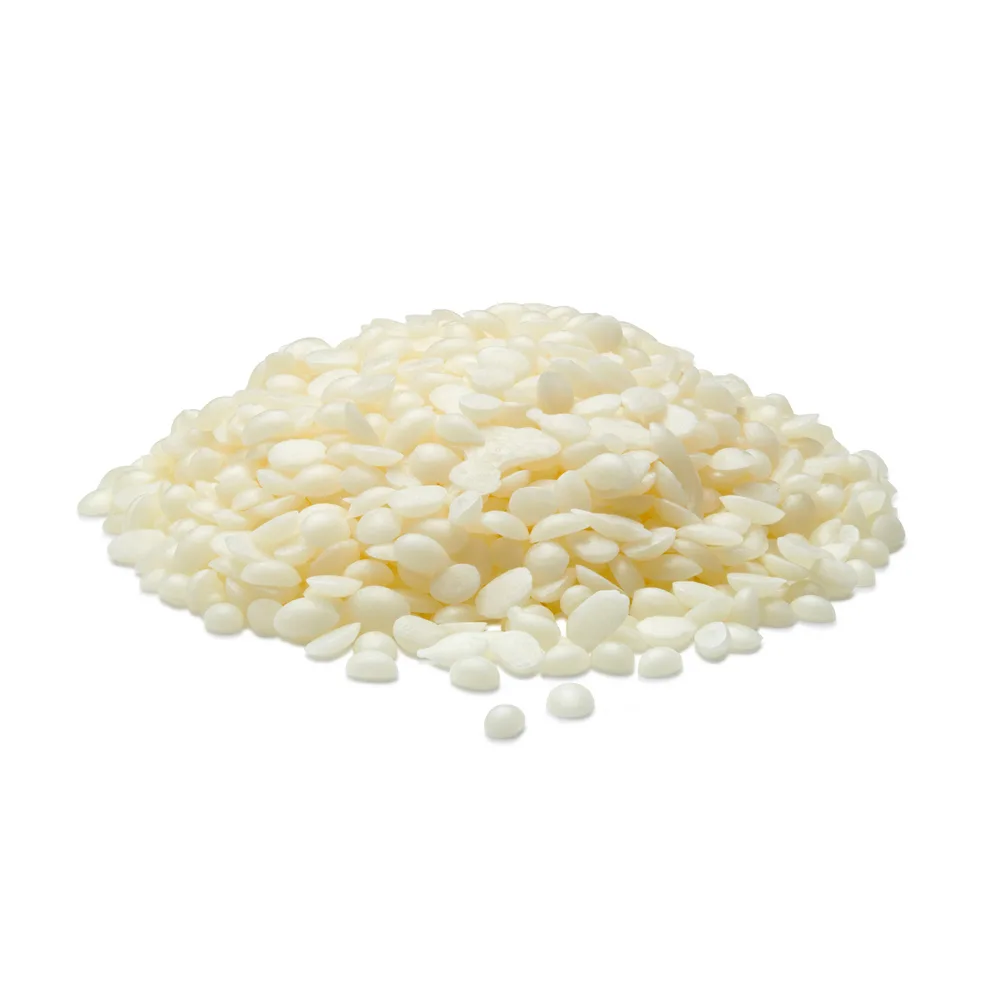
Yes, you absolutely can mix Golden Wax 464 (soy wax) with beeswax!
Mixing waxes is a common practice in candle making to combine the desirable properties of different waxes.
Why mix Golden Wax 464 with Beeswax?
-
Increased Hardness and Stability: Beeswax is significantly harder than soy wax. Adding it will make your candles firmer, which can:
- Reduce frosting in soy candles.
- Help pillars or votives hold their shape better (though 464 is a container wax, so this is more relevant if you're trying to make freestanding candles).
- Improve heat resistance, especially in warmer climates.
-
Slower Burn Time: Beeswax burns very slowly. A blend will generally extend the burn time of your soy candles.
-
Enhanced Scent Throw (Potentially): While soy wax is known for good scent throw, beeswax can sometimes help "lock in" fragrance oils, leading to a more consistent scent release, especially for hot throw.
-
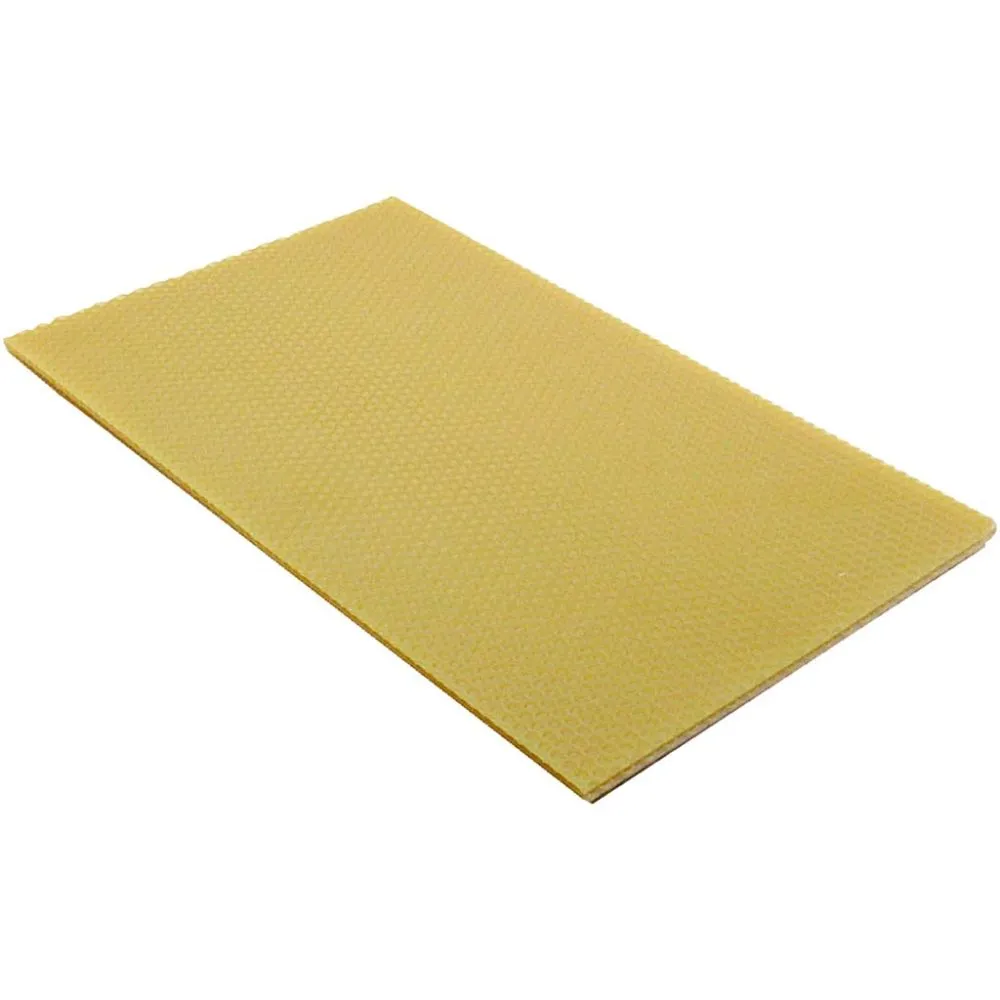
Natural Aesthetic: Beeswax has a beautiful natural golden color (unless bleached white) and a subtle honey scent, which can add to the appeal of your candles.
Considerations when mixing:
-
Ratios: There's no single "best" ratio; it depends on the properties you want to achieve. Common starting points are:
- 90% Soy / 10% Beeswax: For a slightly firmer container candle with reduced frosting.
- 80% Soy / 20% Beeswax: For a noticeable increase in hardness and burn time.
- 50% Soy / 50% Beeswax: This will give you a much harder candle, potentially suitable for pillars or votives, but you'll need to adjust wicking significantly.
-
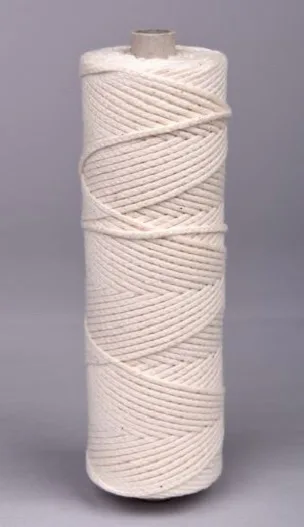
Wicking: This is the most crucial adjustment. Beeswax is denser and burns hotter than soy wax. When you add beeswax, you will almost certainly need to increase your wick size (go up one or two sizes from what you'd use for 100% 464) to ensure a full melt pool and prevent tunneling. Always do burn tests!
-
Fragrance Load: Beeswax can sometimes tolerate a slightly higher fragrance load, but always test. The overall fragrance load will still be dictated by the blend and the specific fragrance oil.
-
Pour Temperature: You might find that a slightly higher pour temperature works better for blends, especially if you're aiming for a smooth top.
-
Melting: Melt the beeswax first, as it has a higher melting point. Once it's mostly liquid, add the Golden Wax 464.
Recommendation:
Start with a small batch and experiment with different ratios (e.g., 90/10 or 80/20 soy/beeswax) to see what works best for your desired candle type and fragrance oils. Document your ratios, wick sizes, and results carefully!