
Clay for Beginners — Air-Dry, Oven-Bake, and Modelling Clay
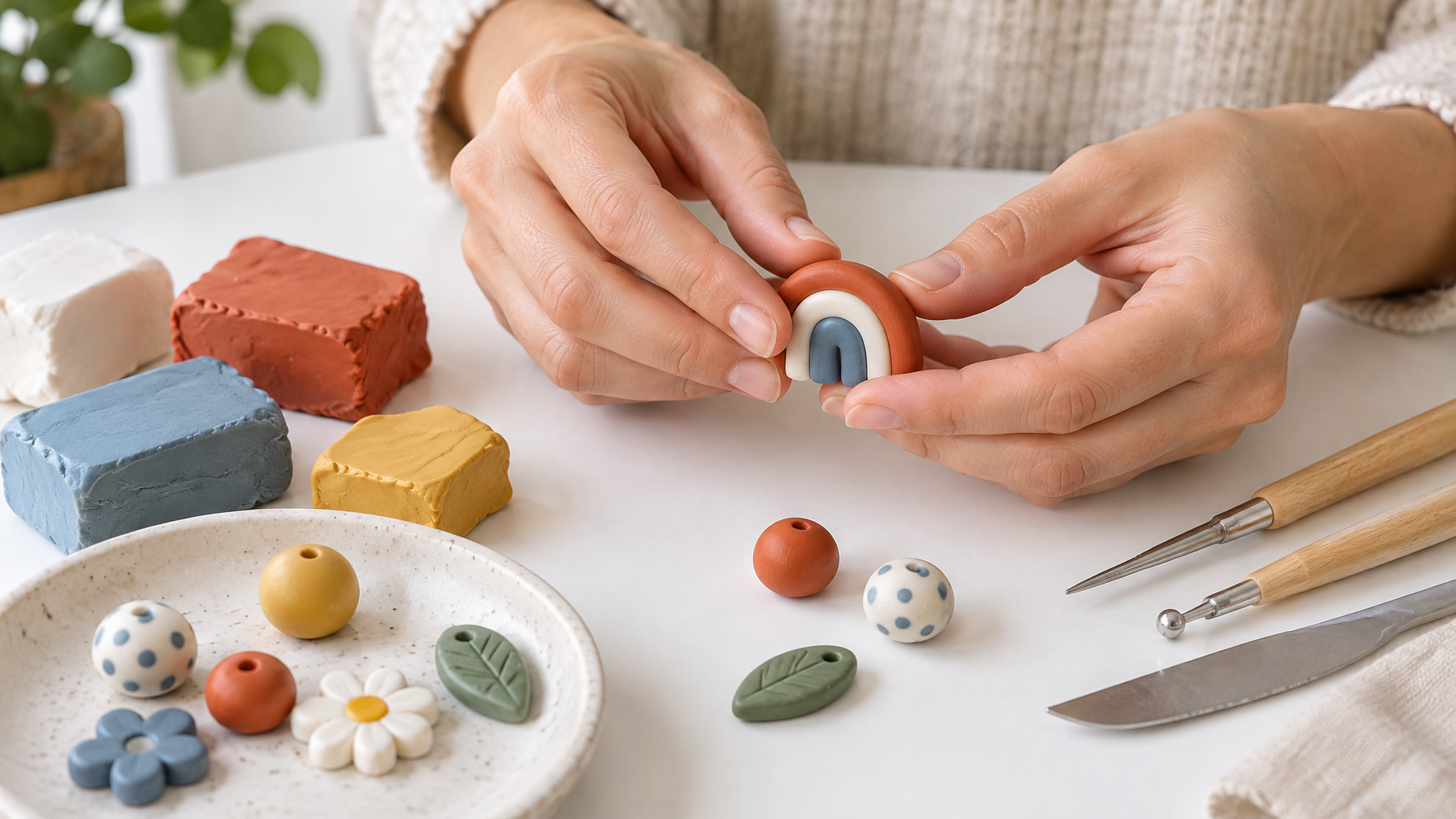
Working with clay is one of the most accessible and rewarding craft projects out there — you need little more than your hands and a bit of imagination. That said, there are several types of clay to choose from, and picking the right one for your project really does make a difference. Here's a breakdown of each.
1. Air-Dry Clay
Air-dry clay hardens on its own at room temperature — no oven required. This makes it perfect for beginners, children, and larger projects like bowls, sculptures, and decorative pieces.
2. Oven-Bake Polymer Clay
Polymer clay (such as Cernit and FIMO) stays soft and workable while you shape it, then hardens in a regular kitchen oven at a low temperature. It holds colour beautifully and cures into a strong, durable finish — which is why it's a firm favourite for jewellery making, beads, and small, detailed pieces.
- Cernit polymer clay — set with 12x25g basic colours (a great place to start)
- Cernit Number One 56g — individual colours
3. Modelling Clay (Non-Hardening)
If you just want to practise, teach children, or sculpt something you can reshape again and again, non-hardening modelling clay is the way to go. It's reusable and ideal for learning the basic techniques.
Tools That Make Life Easier
You can get a long way with just your hands, but a few simple tools make a real difference:
- Clay tools — modelling tools, set of 10
- Polymer Clay flexible knife set, 3 pc
- Pottery banding wheel for even, consistent decorating
Beginner Tips
Start small — one little project will teach you more than buying everything at once. Always knead your clay thoroughly before you begin so it becomes soft and easy to work with. For polymer clay: always follow the temperature instructions on the packaging, as too much heat will burn it.
Browse our full range of clay products and find the right clay for your next project. We at Föndurlist are always happy to help you choose.