
Watercolours for Beginners – What You Need to Get Started
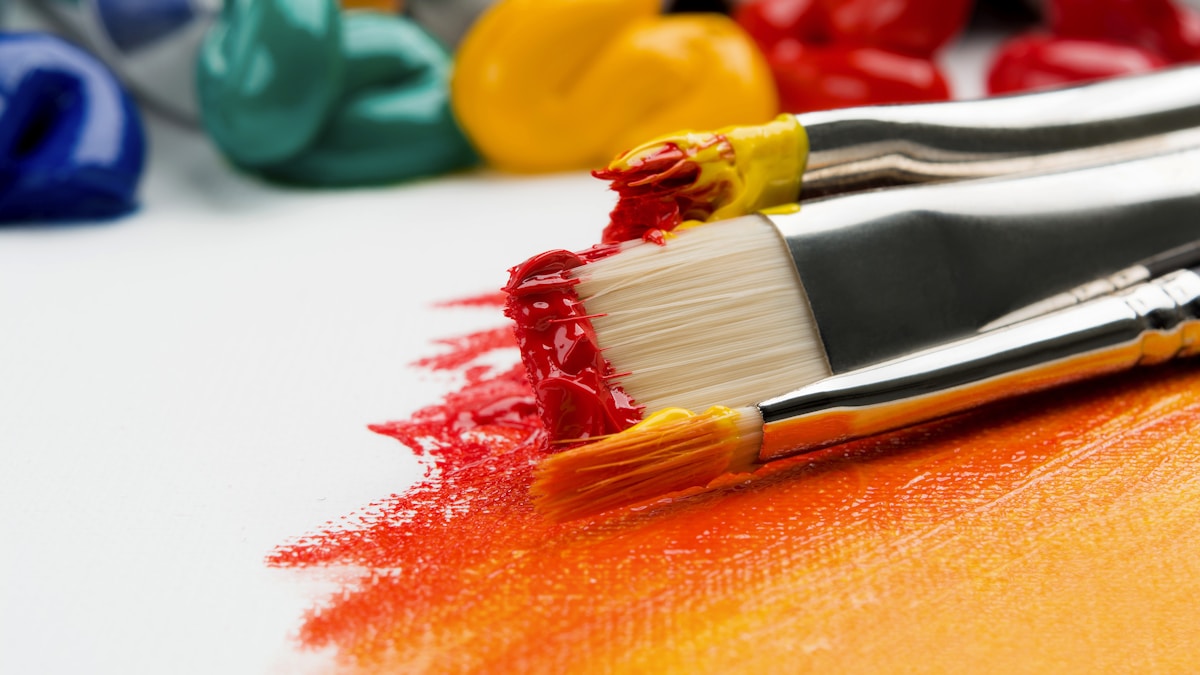
Watercolours for Beginners – What You Need to Get Started – Föndurlist. Watercolours are one of the most wonderful ways to express your creativity. They are playful, transparent, and offer endless possibilities for colour mixing.
Many people think watercolours are difficult, but with the right supplies and a few simple tips, anyone can start painting beautiful works of art.
In this blog post, we go over the essentials you need to get started and how to get the best results.
Watercolours for Beginners – What You Need to Get Started: Key Things to Know
This blog is focused on Watercolours for Beginners – What You Need to Get Started to ensure you get the best start.
1. Quality Paints Matter
The first thing to consider is your choice of paints. For beginners, it's ideal to start with a quality set that includes the primary colours.
Good paints contain more pigment, which means they last longer and blend better on the paper.
- Tip: Choose a set with a good range of colours so you can start practising colour mixing right away.
The most common mistake beginners make is using regular drawing paper. Watercolour paper is specially made to absorb water without buckling or falling apart.
- Why 300gsm paper? We recommend using at least 300gsm paper. It holds its shape better and allows you to work with multiple layers of paint.
3. Brushes That Work – Good Brushes for Beginners
You don't need a whole collection of brushes to start. One or two good round brushes will take you a long way.
A good watercolour brush holds water well, and its softness makes it easy to control the flow of paint.
4. Three Simple Tips for Your First Painting:
- Start light: Use plenty of water and very little paint to begin with. You can always add darker colours later, but it's difficult to lighten colours that have become too dark.
- Let your layers dry: If you want crisp, sharp edges, you need to let the previous layer dry completely before painting over it.
- Keep a test sheet handy: Always test your colour on a spare piece of paper before applying it to your painting, so you can see how wet or dark it is.